Dubai Creek & Abra Rides: Traditional Water Taxis, UAE
Dubai did not rise from glass towers and superhighways alone—it grew from water. Dubai Creek (Khūr Dubayy) is the city’s original lifeline: a natural saltwater inlet that shaped trade routes, migration patterns, governance, and daily life long before oil, airports, or artificial islands. Even today, as Dubai accelerates into the future, the Creek remains one of the few places where living heritage, urban infrastructure, ecology, and modern redevelopment intersect in a single landscape.
For travelers and residents alike, Dubai Creek is not just something to “see.” It is something to understand—because understanding the Creek is understanding Dubai itself.
As a trusted Dubai travel and lifestyle resource, aboutdubai.online presents this deeply authoritative, complete guide to help you explore Dubai Creek with historical context, spatial awareness, and real-world relevance.
Dubai Creek at a Glance
- Arabic name: خور دبي (Khūr Dubayy)
- Type: Natural saltwater tidal inlet
- Length: ~14 km (9 miles), extended via Dubai Water Canal
- Width: ~200 to 1,200 meters
- Average depth: ~6.5–7 meters
- Divides: Deira (east) and Bur Dubai (west)
- Core uses: Trade, transport, heritage tourism, ecology, waterfront living
The Birthplace of Dubai: Historical Significance
Where Dubai Began
In the 19th century, members of the Bani Yas tribe settled along the Bur Dubai side of the Creek. This settlement laid the foundation for the Al Maktoum dynasty, which continues to rule Dubai today. The Creek offered shelter from the Gulf, fresh marine resources, and a natural harbor—advantages that neighboring settlements lacked.
Long before modern ports existed, Dubai Creek functioned as the city’s only maritime gateway, making it indispensable to survival and growth.
Trade, Pearls, and Dhows
In the early 20th century:
- Dhows arrived from India, East Africa, and Persia
- Goods included spices, textiles, timber, dates, and pearls
- Pearling was Dubai’s economic backbone before the 1930s
- Fishing and boatbuilding flourished along the foreshore
The Creek’s warm, shallow waters supported marine biodiversity, while its banks became hubs of craftsmanship and commerce. Even the Ancient Greeks referenced it as the River Zara, underscoring its long-standing regional importance.
Recommended: Dubai Aquarium
Engineering the Creek: From Tidal Inlet to Global Artery
Dredging and Modernization
As trade volumes increased, Dubai invested heavily in the Creek:
- 1955: Formal development plans initiated
- 1961: First dredging allowed 7-foot draft vessels
- 1960s–70s: Expanded to handle vessels up to 500 tons
These upgrades enabled Dubai to outperform rival ports like Sharjah and establish itself as a re-export hub, a role that still defines its economy today.
Bridges, Tunnels, and Connectivity
To connect Deira and Bur Dubai, critical infrastructure was added:
- Al Maktoum Bridge (1963): First Creek crossing
- Al Garhoud Bridge
- Business Bay Crossing
- Floating Bridge
- Al Shindagha Tunnel
This transport network transformed the Creek from a divider into a central spine of urban mobility.
Geography & Route: How the Creek Flows Through Dubai
Dubai Creek begins near Deira Corniche and Al Ras, flows past:
- Port Saeed
- Al Jaddaf
- Dubai Creek Park
…and naturally ends at the Ras Al Khor Wildlife Sanctuary—one of the UAE’s most important ecological zones.
Through the Business Bay extension and Dubai Water Canal, the Creek now reconnects to the Persian Gulf, integrating old Dubai with new waterfront districts like Downtown, Jumeirah, and Dubai Design District.
Recommended: Global Village
Abra Rides: Dubai’s Most Authentic Transport Experience
What Is an Abra?
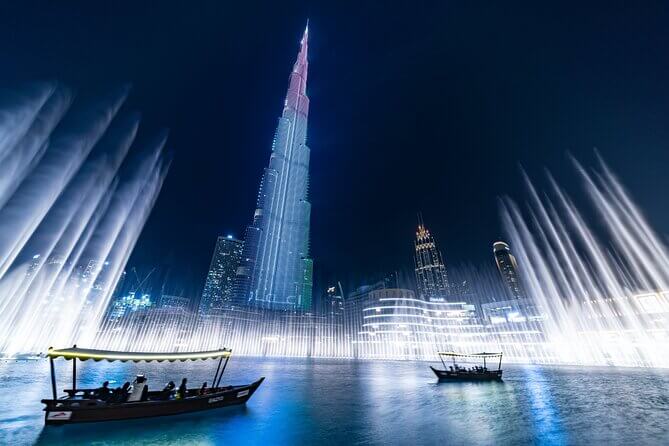
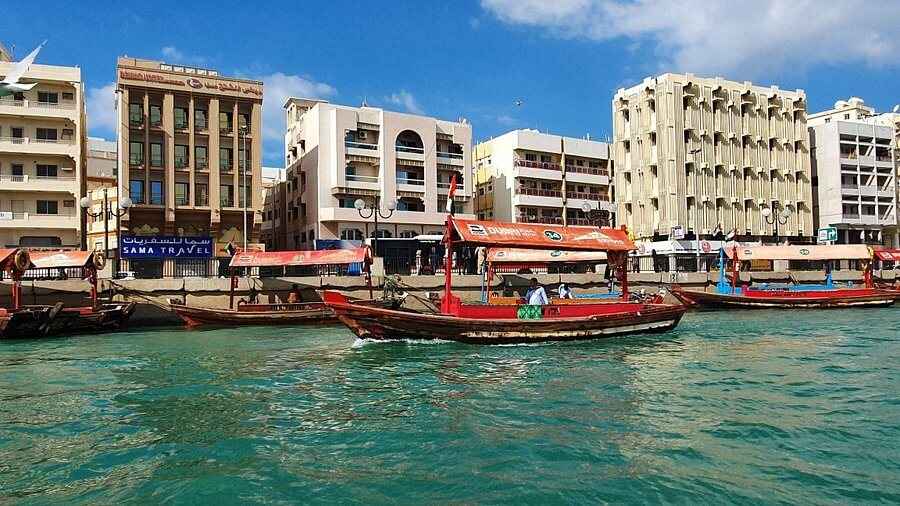
An abra is a traditional wooden water taxi—and one of the oldest forms of public transport in Dubai.
- Routes: Deira ↔ Bur Dubai
- Cost: Typically AED 1–2
- Duration: ~5–7 minutes
Despite the city’s advanced metro and road systems, abras remain operational because they are practical, efficient, and culturally embedded.
Why Abras Matter
An abra ride offers:
- A ground-level view of historic neighborhoods
- A sensory contrast between old souks and modern banks
- Daily interaction between residents, workers, and visitors
Few experiences in Dubai offer this level of authentic urban continuity.
Recommended: Ski Dubai
Markets, Culture, and Everyday Life Along the Creek
Historic Souks
On the Deira side, the Creek feeds directly into:
- Gold Souk
- Spice Souk
- Perfume Souk
Across the water in Bur Dubai:
- Textile Souk
- Al Fahidi Historical Neighborhood
These markets are not themed attractions—they are active commercial ecosystems, many supplied via Port Saeed along the Creek.
Landmarks on the Waterfront
Notable buildings include:
- National Bank of Dubai headquarters
- Dubai Chamber of Commerce
- Sheraton Dubai Creek Hotel
- Deira Twin Towers
Together, they reflect the Creek’s blend of heritage trade and institutional power.
Nature in the City: Ras Al Khor Wildlife Sanctuary
Just minutes from Downtown Dubai lies the Ras Al Khor Wildlife Sanctuary, where:
- Thousands of greater flamingos gather seasonally
- Mangroves and mudflats support migratory birds
- Urban conservation meets city planning
It is one of the rare places globally where protected wildlife habitats exist beside a megacity skyline.
Recommended: Mall of the Emirates
Dubai Creek Harbour: The Future on the Water
A New Waterfront District
Dubai Creek Harbour represents the next phase of Creek-side living:
- High-rise residential towers
- Retail promenades
- Marina access
- Panoramic skyline views
The district is designed as a mixed-use urban ecosystem, balancing density, walkability, and waterfront access.
Dubai Creek Tower
Planned as the district’s centerpiece, Dubai Creek Tower is envisioned to redefine Dubai’s skyline and serve as a cultural and observation landmark.
Transport & Accessibility
- Dubai Metro Green Line: Terminates at Dubai Creek station
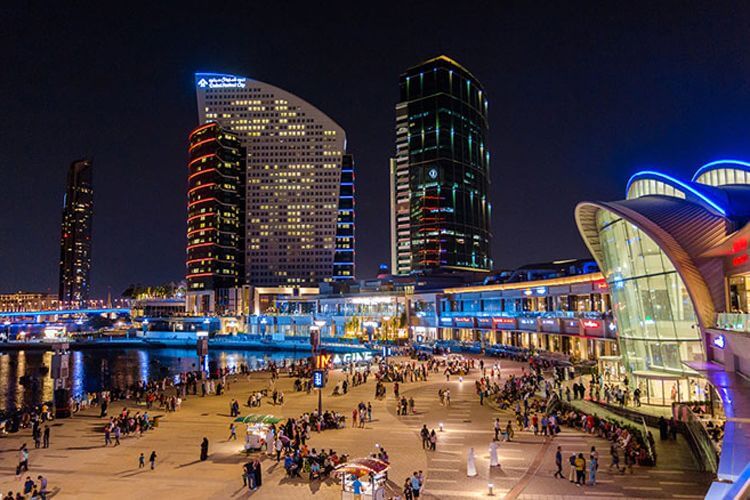
- Al Jaddaf Marine Station: Ferries to Festival City
- Road access: Sheikh Rashid Road, Al Khaleej Road
- Water transport: Abras, ferries, dhow cruises
The Creek remains one of Dubai’s most multimodal transport corridors.
Best Time to Visit Dubai Creek
- Early morning (5–9 am): Trade activity, cooler air
- Late afternoon to evening: Golden light, vibrant souks
- Winter months (Nov–Mar): Ideal for walking and abra rides
The Creek itself is free to access; paid experiences include dhow cruises, guided heritage tours, and dining.
Living Near Dubai Creek: What to Expect
- Diverse residential clusters (heritage homes to modern towers)
- Strong transport connectivity
- Cultural depth rarely found in newer districts
- Proximity to government offices, schools, and hospitals
It appeals to professionals, families, creatives, and heritage-focused investors.
Frequently Asked Questions (FAQ)
What is special about Dubai Creek?
Dubai Creek is where Dubai’s economic, cultural, and political identity began. It combines living heritage, active trade routes, traditional transport, wildlife conservation, and modern waterfront development in one continuous landscape.
Is Dubai Creek worth visiting?
Yes—especially if you want to experience authentic Dubai beyond malls and skyscrapers. Abra rides, souks, heritage districts, and waterfront walks offer high cultural value.
Is Dubai Creek a good area to stay or live in?
The area offers strong connectivity, cultural richness, and growing residential options, particularly around Dubai Creek Harbour and Al Jaddaf.
What attractions are near Dubai Creek?
- Gold & Spice Souks
- Al Fahidi Historical Neighborhood
- Dubai Creek Park
- Ras Al Khor Wildlife Sanctuary
- Dubai Festival City
Explore Dubai Deeper with aboutdubai.online
Dubai Creek is not a relic—it is a living system. For deeper insights into nearby neighborhoods, heritage districts, and waterfront developments, explore related guides on aboutdubai.online, your reliable guide for navigating Dubai’s past, present, and future.