The View at The Palm: Observation Deck on the Palm Jumeirah, UAE
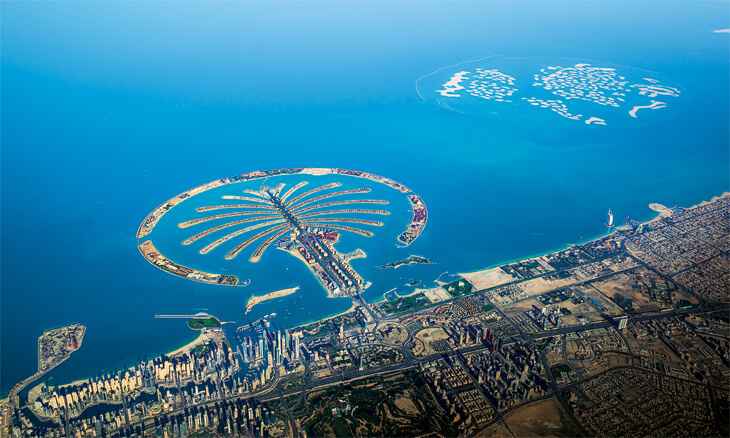
Palm Jumeirah is not just a destination—it is a statement of Dubai’s urban ambition, coastal engineering, and luxury-driven lifestyle. Rising from the Arabian Gulf as a perfectly symmetrical palm-shaped archipelago, Palm Jumeirah has reshaped Dubai’s global identity, adding miles of new shoreline and redefining waterfront living in the Middle East. At its heart lies The View at The Palm, an observation deck that offers the most complete visual understanding of this megastructure and its relationship with Dubai’s coastline, skyline, and cultural evolution.
This guide is crafted for aboutdubai.online, your trusted Dubai travel and lifestyle resource, to provide a deeply authoritative, entity-rich, and human-centric exploration of Palm Jumeirah—designed for travelers, residents, investors, and curious minds alike.
Palm Jumeirah at a Glance: An Icon Engineered from the Sea
Palm Jumeirah (نخلة جميرا) is a man-made archipelago located off the coast of Jumeirah, extending into the Persian Gulf. Developed by Nakheel Properties, a Dubai government-owned master developer, the island is part of the larger Palm Islands vision, alongside Palm Jebel Ali and Dubai Islands, collectively designed to expand Dubai’s natural coastline by hundreds of kilometers.
Shaped like a palm tree when viewed from above, the island is composed of:
- The Trunk – a mixed-use corridor of residences, retail, hotels, and transport infrastructure
- 16 Fronds – low-density residential areas featuring beachfront villas
- The Crescent – a protective breakwater hosting ultra-luxury resorts
As of recent estimates, Palm Jumeirah is home to over 25,000 residents, functioning not just as a tourist attraction, but as a fully operational waterfront neighborhood.
Recommended: The Dubai Fountain
History & Vision: Why Palm Jumeirah Was Built
Construction began in June 2001, during a pivotal era in Dubai’s economic diversification strategy. With oil revenues declining as a long-term economic driver, Dubai focused on tourism, real estate, and global branding. Palm Jumeirah was conceived to:
- Maximize beachfront property
- Attract foreign investment
- Establish Dubai as a global luxury destination
By 2006, the first residential handovers were completed. By 2009, nearly 30 hotels were operational on the Crescent, transforming the island into one of the most photographed and visited locations in the world.
Engineering the Impossible: Construction & Coastal Design
Palm Jumeirah was constructed using land reclamation, not concrete foundations. Key engineering facts include:
- 120 million cubic meters of sand, dredged from the seabed
- 7 million tons of rock, forming the crescent breakwater
- No steel or concrete used in land formation
The project was executed by Van Oord, a Dutch dredging specialist also responsible for The World Islands.
Breakwater & Environmental Adaptation
Initially designed as a continuous barrier, the crescent breakwater restricted tidal flow, leading to water stagnation. Engineers later introduced strategic gaps to allow seawater circulation, oxygenation, and ecological balance—an example of adaptive urban marine planning.
The View at The Palm: Understanding the Island from Above
Located atop Palm Tower at Nakheel Mall, The View at The Palm rises approximately 240 meters above sea level, offering a 360-degree panorama of:
- The entire palm-shaped island
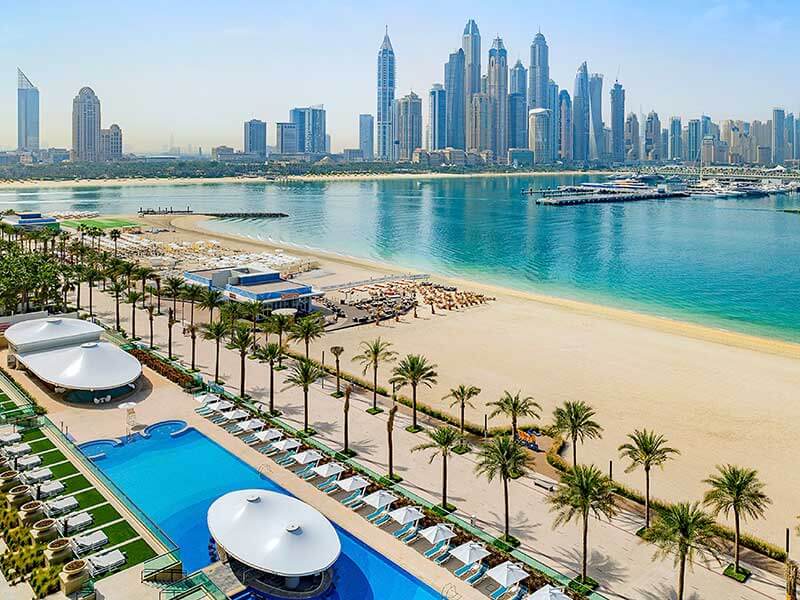
- Dubai Marina skyline
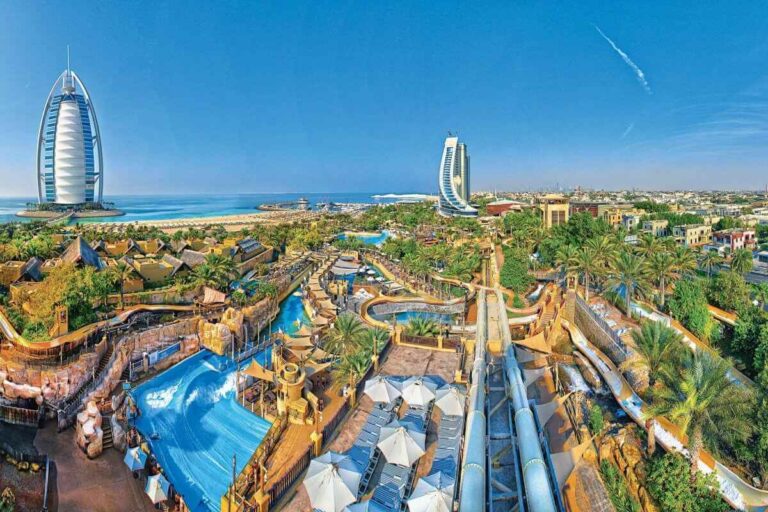
- Burj Al Arab in the distance
- The Arabian Gulf
More than a viewpoint, the experience includes:
- Interactive exhibitions on Palm Jumeirah’s construction
- Immersive digital storytelling about Dubai’s urban growth
- Sunset and night-time viewing sessions for photographers and travelers
For first-time visitors, this observation deck provides the clearest spatial understanding of why Palm Jumeirah is considered one of the world’s most ambitious coastal developments.
Luxury Hospitality & Landmark Resorts
Palm Jumeirah hosts some of Dubai’s most prestigious resorts, particularly along the Crescent:
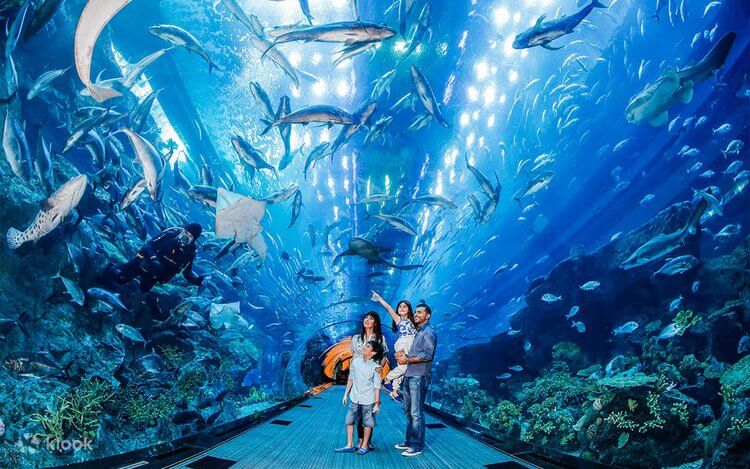
- Atlantis, The Palm – home to Aquaventure Waterpark and The Lost Chambers Aquarium
- Atlantis The Royal – an architectural icon redefining ultra-luxury hospitality
- Jumeirah Zabeel Saray – Ottoman-inspired beachfront elegance
- One&Only The Palm – secluded, boutique luxury
- FIVE Palm Jumeirah – lifestyle-driven, nightlife-centric resort
These resorts are not isolated hotels; they function as entertainment ecosystems, featuring Michelin-recognized restaurants, beach clubs, spas, and family attractions.
Recommended: Dubai Desert Safari
Dining, Beach Culture & Nightlife
Palm Jumeirah is one of Dubai’s most concentrated dining zones, blending global cuisine with waterfront ambiance.
Key Lifestyle Hubs
- Palm West Beach – pedestrian-friendly promenade with beach clubs, cafés, and skyline views
- Club Vista Mare – pier-based dining with Arabian Gulf panoramas
- The Pointe – retail and dining destination facing Atlantis
Notable dining experiences include Nobu, Ibn AlBahr, 101 Dining Lounge, and a growing number of chef-led concepts that reflect Dubai’s multicultural population.
Residential Life: Living on Palm Jumeirah
Palm Jumeirah is a fully developed residential community offering diverse housing typologies:
Apartments (Primarily on the Trunk)
- Studio to 6-bedroom layouts
- Sizes ranging from approx. 375 to over 11,000 sq ft
- Balconies, sea views, concierge access
Villas (Located on the Fronds)
- 2 to 10-bedroom beachfront homes
- Private beach access
- Architectural styles from Arabic traditional to contemporary smart villas
Despite past concerns about housing density, Palm Jumeirah remains one of Dubai’s most desirable residential addresses, valued for privacy, amenities, and coastal access.
Transport & Accessibility
Despite being offshore, Palm Jumeirah is exceptionally well connected:
Palm Monorail
- 5.4 km elevated line
- Connects Gateway Towers to Atlantis, The Palm
- Stops include Nakheel Mall
- First monorail system in the Middle East
Road Access
- Direct access via Sheikh Zayed Road and Al Sufouh Road
- Underwater tunnel connecting the Trunk to the Crescent
Public Transport
- Dubai Metro Red Line (Internet City / Al Khail stations) + taxi or bus
- RTA bus routes such as F37, F41, D04
For official updates, travelers are advised to consult RTA Dubai.
Recommended: Al Fahidi Historical Neighbourhood
Leisure, Recreation & Outdoor Experiences
Palm Jumeirah offers a layered leisure environment:
- Palm Jumeirah Boardwalk – 11 km walking path along the breakwater
- Yacht charters and speedboat tours
- Skydive Dubai aerial views
- Public and private beach access via hotels and beach clubs
Swimming is permitted at designated beaches, with day passes widely available for non-hotel guests.
Environmental Impact & Marine Life
Academic studies have shown that Palm Jumeirah has influenced:
- Local water temperature
- Sediment patterns
- Marine biodiversity
Interestingly, during the COVID-19 slowdown, increased sightings of dolphins and marine life were reported around the island—highlighting the adaptive resilience of the Gulf’s ecosystem.
Seasonal jellyfish appearances are common during summer, a natural regional phenomenon rather than a Palm-specific issue.
Future Outlook: What’s Next for Palm Jumeirah
Palm Jumeirah continues to evolve through:
- New hospitality launches
- Enhanced public spaces
- Smart infrastructure upgrades
- Integration with Dubai’s long-term Urban Master Plan 2040
The island remains a benchmark for future coastal developments in the region.
Frequently Asked Questions (FAQ)
Why is Palm Jumeirah famous?
Palm Jumeirah is famous for its palm-tree design, luxury resorts, engineering scale, and role in expanding Dubai’s coastline.
Is Palm Jumeirah free to enter?
Yes. Palm Jumeirah is a public neighborhood with no entry fee. Individual attractions have their own pricing.
Can you walk around Palm Jumeirah?
Yes. Visitors can walk along Palm West Beach, The Pointe, and the Palm Boardwalk.
Can you swim at Palm Jumeirah?
Yes. Swimming is available at hotel beaches and beach clubs, often via day passes.
Is Palm Jumeirah a good place to live?
Yes. It offers high-end residential living, amenities, dining, and strong connectivity to the rest of Dubai.
How can I see Palm Jumeirah from above?
The best way is by visiting The View at The Palm, or via helicopter tours and skydiving experiences.
Explore More with aboutdubai.online
For deeper insights into Dubai’s neighborhoods, coastal attractions, and lifestyle destinations, explore related guides on aboutdubai.online—your reliable guide for navigating Dubai’s urban landscape with clarity, depth, and cultural context.
Palm Jumeirah is not just an island. It is Dubai’s philosophy made visible—where vision, engineering, and lifestyle converge above the sea.