Downtown Dubai Guide: Things to Do, Attractions, Dining & Transport
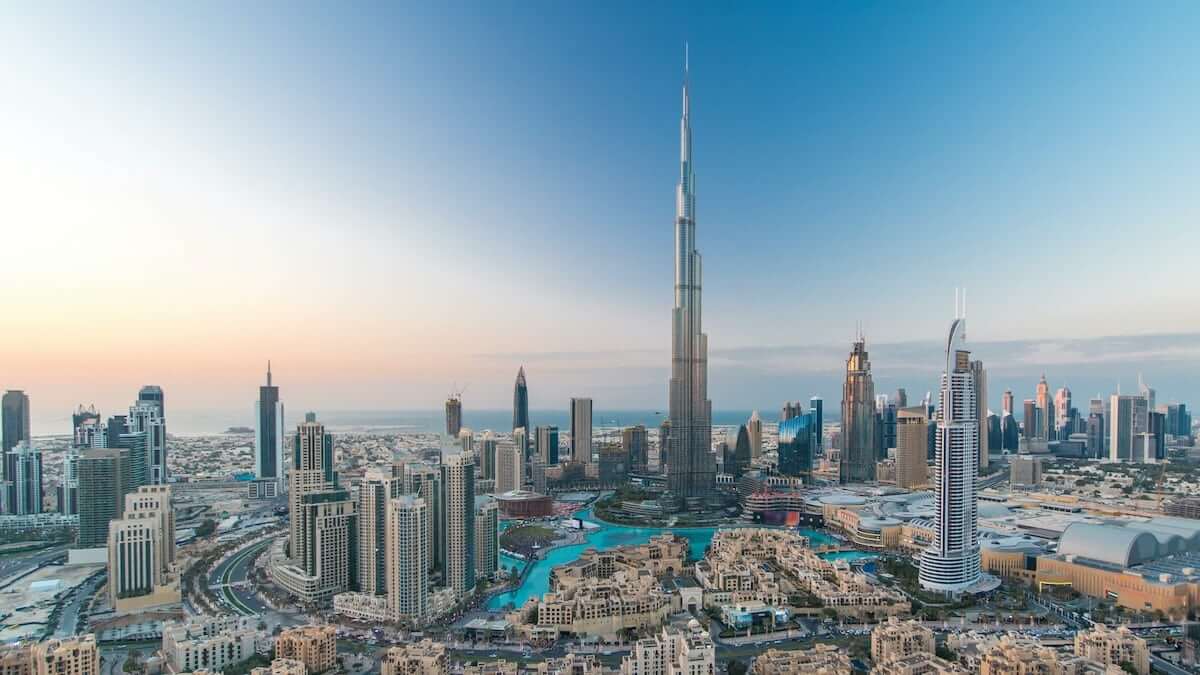
Downtown Dubai is not simply a neighborhood—it is the spatial narrative of modern Dubai itself. Built as a 2-square-kilometer master-planned district by Emaar Properties, Downtown Dubai concentrates the city’s most influential landmarks, cultural venues, residential towers, and public spaces into one walkable urban core. Often referred to as “The Centre of Now,” this district represents Dubai’s ambition, global connectivity, and lifestyle-driven urban design more clearly than anywhere else in the UAE.
Located at the intersection of Sheikh Zayed Road, Financial Centre Road, and Business Bay, Downtown Dubai functions as both a tourism anchor and a high-density residential and commercial zone—bridging global visitors, long-term residents, and corporate life in one cohesive environment.
As a trusted Dubai travel and lifestyle resource, aboutdubai.online presents this in-depth Downtown Dubai guide to help travelers, expats, and curious readers understand not just what to see, but how the district works, lives, and evolves.
A Brief History: From Umm Al Tarif to a Global Urban Icon
Before the year 2000, the area now known as Downtown Dubai was called Umm Al Tarif—a relatively undeveloped tract of land near Dubai’s original trade corridors. With the launch of Emaar’s Downtown Dubai project in the early 2000s, the site became one of the largest mixed-use urban developments ever undertaken in the Middle East, with an estimated total investment exceeding US$20 billion.
The district’s transformation culminated in 2010 with the opening of Burj Khalifa, instantly repositioning Downtown Dubai as a global destination. Since then, continuous expansions—cultural, residential, infrastructural, and experiential—have kept the area at the forefront of Dubai’s urban planning strategy.
Location & Urban Context
Downtown Dubai occupies a strategic central position within Dubai’s urban grid:
- Northwest: Al Wasl and Trade Centre 2
- Northeast: Zabeel (separated by Financial Centre Road)
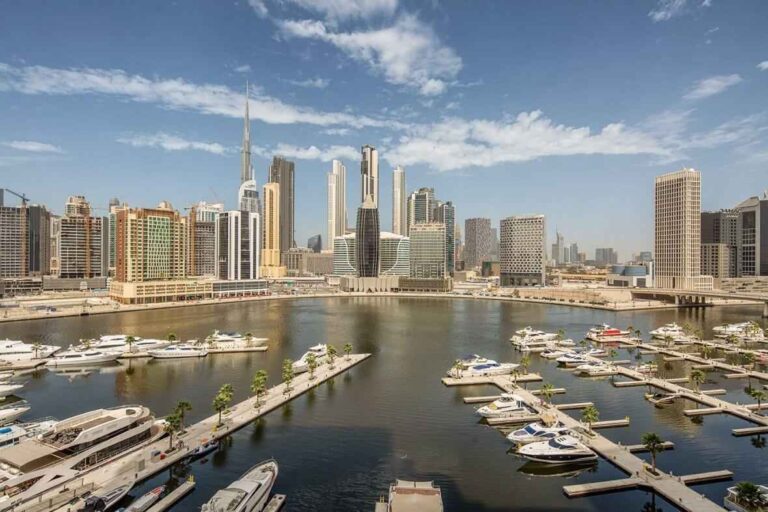
- South: Business Bay
- West: Sheikh Zayed Road corridor
This positioning allows Downtown Dubai to function as a connector between Dubai’s financial districts, historic core, and newer residential zones—making it one of the most accessible areas in the city.
Architectural Identity & Urban Design
Downtown Dubai blends ultra-modern skyscrapers with Arabic vernacular architecture, creating visual and cultural contrast:
- High-rise clusters dominate the skyline, particularly around Burj Khalifa and Sheikh Mohammed bin Rashid Boulevard
- Old Town (Al Bahar & Old Town Island) introduces low-rise, traditional Arabian design with wind towers, shaded walkways, and textured facades
This architectural duality reinforces Downtown Dubai’s identity as both futuristic and culturally grounded.
Iconic Landmarks & Core Attractions
Burj Khalifa
Standing at 828 meters, Burj Khalifa is the tallest building ever constructed and the undisputed centerpiece of Downtown Dubai. Beyond its record-breaking height, the tower houses:
- At The Top observation decks (Levels 124, 125, and 148)
- At.mosphere, the world’s highest restaurant
- Armani Hotel Dubai, spanning 30 floors
Its engineering achievements, vertical urbanism, and symbolic value make it one of the most recognizable structures on Earth.
The Dubai Mall
One of the most visited destinations globally, The Dubai Mall is far more than a shopping center:
- Over 1,200 retail outlets
- Dubai Aquarium & Underwater Zoo
- Olympic-size ice rink
- Fashion Avenue, dedicated to luxury brands
- Entertainment zones including VR Park and immersive attractions
Emaar has announced a major expansion planned for completion by 2027, reinforcing the mall’s role as a long-term global retail and leisure hub.
The Dubai Fountain
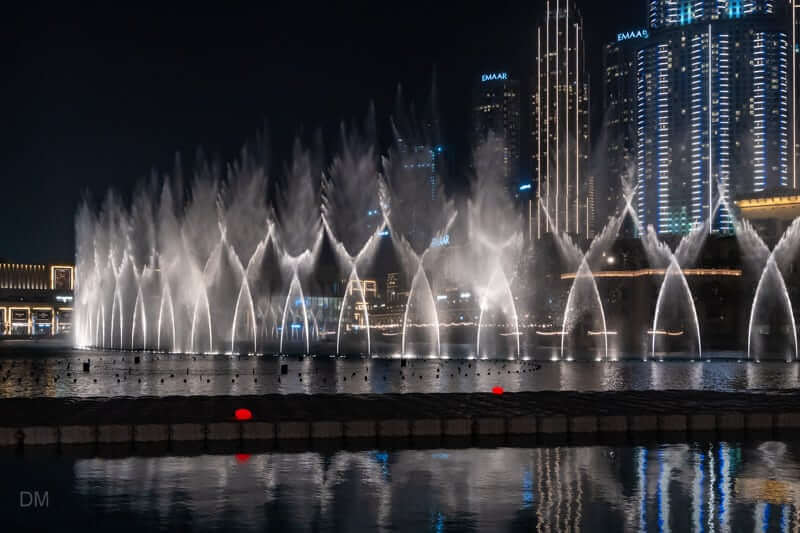
Set on the 30-acre Burj Lake, the Dubai Fountain is the largest choreographed fountain system in the world, designed by WET Design. It features:
- Water jets reaching 150 meters
- 6,600 lights and 50 color projectors
- Performances synced to Arabic, classical, and contemporary music
Following Phase 1 renovations in 2025, Phase 2 refurbishment is scheduled for 2026, ensuring continued technological and visual upgrades.
Dubai Opera & The Opera District
Opened in 2016, Dubai Opera is a 2,000-seat, multi-format performing arts venue designed in the shape of a traditional Arabian dhow. It hosts:
- Opera, ballet, theatre, concerts, and comedy
- International and regional productions
- Seasonal cultural programming
The surrounding Opera District adds promenades, art installations, and high-end residences, positioning culture as a permanent pillar of Downtown Dubai life.
Souk Al Bahar
Connected to Dubai Mall via pedestrian bridge, Souk Al Bahar recreates the ambiance of a traditional Arabian marketplace with:
- Over 100 boutique shops
- Waterside dining overlooking the Dubai Fountain
- Arabesque architecture and intimate walkways
It provides contrast to the hyper-modern mall experience while remaining fully integrated.
Public Spaces & Walkability
Downtown Dubai is one of the most pedestrian-friendly districts in Dubai:
- Sheikh Mohammed bin Rashid Boulevard (3.5 km loop) features cafés, outdoor art, and shaded sidewalks
- Burj Park offers 29,000 square meters of green space, event hosting, and unobstructed Burj Khalifa views
- Wide pavements, pedestrian bridges, and waterfront promenades encourage walking day and night
This emphasis on walkability is rare in Dubai and central to Downtown’s lifestyle appeal.
Dining Scene: Skyline Views & Global Cuisine
Downtown Dubai’s restaurant ecosystem reflects its global population and luxury positioning:
- CÉ LA VI (Address Sky View): Asian fine dining with panoramic skyline views
- Thiptara (Palace Downtown): Thai cuisine overlooking the Dubai Fountain
- Fouquet’s, TOTÓ, Jun’s, and Belcanto near Dubai Opera
- Immersive concepts like KRASOTA gastro-theatre
From casual cafés to experiential dining, food here is as much about atmosphere as flavor.
Hotels & Accommodation
Downtown Dubai hosts one of the highest concentrations of luxury hotels in the UAE:
- Armani Hotel Dubai (inside Burj Khalifa)
- Address Downtown, Address Sky View, Address Dubai Mall
- Palace Downtown (traditional Arabian hospitality)
- The Dubai EDITION, Vida Downtown, Manzil Downtown
Budget accommodation is limited within Downtown itself, but nearby Business Bay offers more affordable options without sacrificing proximity.
Transportation & Accessibility
Downtown Dubai is exceptionally well connected:
- Burj Khalifa/Dubai Mall Metro Station (Red Line)
- Direct access via Sheikh Zayed Road and Financial Centre Road
- Pedestrian bridges linking metro, mall, and attractions
Planned metro capacity expansions by 2026 aim to accommodate up to 220,000 passengers daily, reflecting continued growth.
Living in Downtown Dubai: Lifestyle & Demographics
Downtown Dubai appeals to:
- Professionals working in DIFC, Business Bay, and Sheikh Zayed Road
- High-net-worth individuals seeking prestige addresses
- Long-term residents prioritizing walkability and amenities
Residential options range from ultra-luxury towers to family-friendly low-rise communities. While property prices and rents are among the highest in Dubai, residents benefit from unmatched convenience, security, and cultural access.
Major Events & Cultural Moments
Downtown Dubai is the epicenter of Dubai’s most significant public celebrations:
- Emaar New Year’s Eve Gala, one of the world’s largest countdown events
- Fireworks, light shows, and global broadcasts centered on Burj Khalifa
- Seasonal festivals, art installations, and outdoor performances
These events reinforce Downtown’s role as Dubai’s symbolic heart.
Future Development & What’s Next
Downtown Dubai continues to evolve through:
- Dubai Mall’s upcoming expansion (2027)
- Infrastructure upgrades and pedestrian enhancements
- Cultural programming growth within the Opera District
- Continued real estate redevelopment and hospitality investment
Rather than stagnating as a “completed” project, Downtown Dubai remains a living urban system.
FAQs
Why is Downtown Dubai famous?
Downtown Dubai is famous for housing Burj Khalifa, Dubai Mall, Dubai Fountain, and Dubai Opera—all within one integrated, walkable district.
Is Downtown Dubai expensive?
Yes. Downtown Dubai is one of the most expensive areas in Dubai due to its location, landmarks, luxury residences, and lifestyle amenities.
Can you walk around Downtown Dubai?
Absolutely. It is one of Dubai’s most pedestrian-friendly neighborhoods, with shaded sidewalks, promenades, and connected public spaces.
What is Downtown Dubai best for—tourists or residents?
Both. Tourists visit for attractions and entertainment, while residents value walkability, connectivity, and proximity to work and culture.
Which metro station serves Downtown Dubai?
The Burj Khalifa/Dubai Mall Metro Station on the Red Line provides direct access to the district.
Explore More with aboutdubai.online
For deeper insights into nearby areas like Business Bay, DIFC, Dubai Mall, and Sheikh Zayed Road, explore related guides on aboutdubai.online—your reliable guide for navigating Dubai’s neighborhoods, lifestyle, and urban culture.
Downtown Dubai is not just where Dubai shines—it’s where the city tells its story.