Burj Khalifa Dubai, UAE — The Complete Guide to the World’s Tallest Building
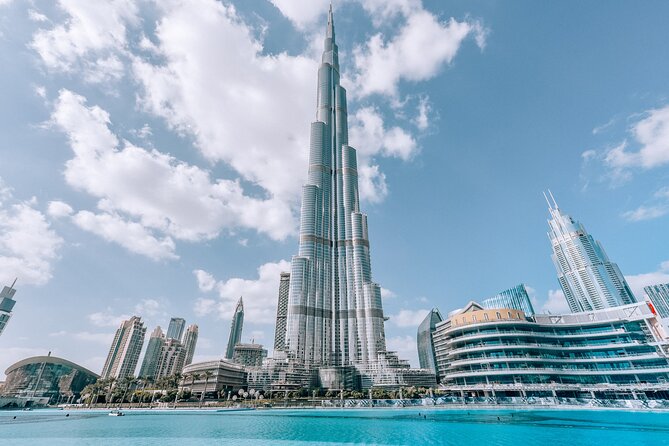
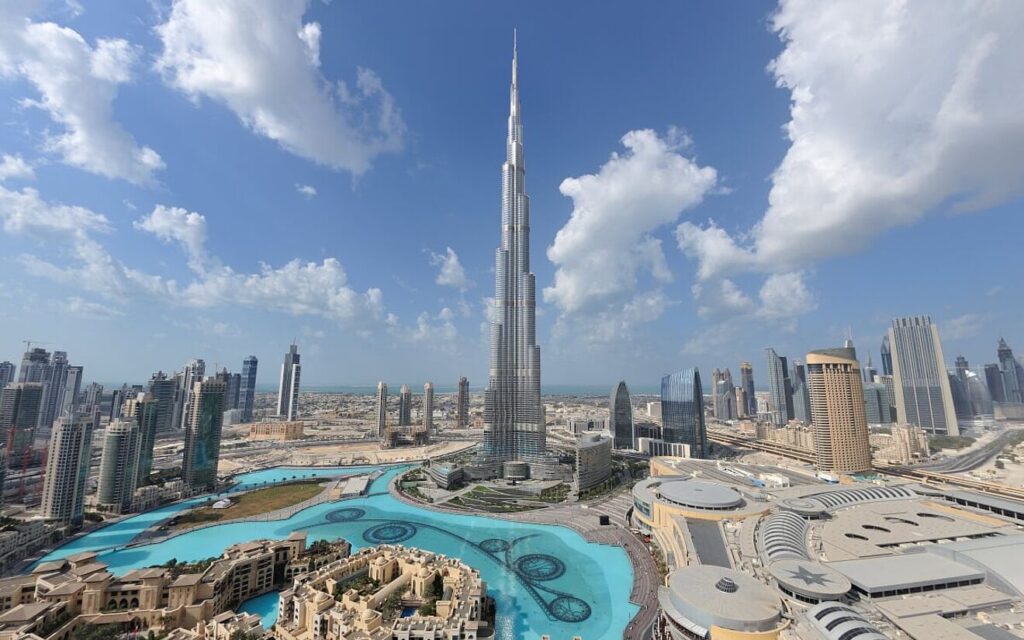
Few structures on Earth reshape a city’s identity the way the Burj Khalifa reshaped Dubai. Rising 828 meters (2,717 feet) above the desert, the megatall tower is more than a record-breaking icon—it is the architectural anchor of Downtown Dubai, the UAE’s flagship mixed-use district and one of the most visited urban destinations in the world.
Origins of the Burj Khalifa: The Vision Behind an Icon
The story of the Burj Khalifa begins long before the first concrete pour in 2004. In the early 2000s, Dubai’s leadership under Sheikh Mohammed bin Rashid Al Maktoum was accelerating its transformation from a hydrocarbon-light emirate to a global services, logistics, tourism, and finance hub.
To signal its arrival on the world stage, Dubai commissioned a landmark that would:
- Elevate international recognition
- Anchor a new downtown district
- Generate domestic and foreign investment
- Attract global tourism
- Showcase engineering innovation
Originally named Burj Dubai, the tower was renamed Burj Khalifa in honor of Sheikh Khalifa bin Zayed Al Nahyan, the late President of the UAE, after Abu Dhabi provided financial support during the 2008 global economic crisis.
Location: At the Heart of Downtown Dubai
The Burj Khalifa sits at the First Interchange along Sheikh Zayed Road, the city’s most important artery. It anchors the 2 km² Downtown Dubai master development, a walkable urban zone developed by Emaar Properties and home to:
- Dubai Mall – one of the world’s largest shopping and entertainment complexes
- Burj Park – landscaped green space on the edge of the man-made Burj Lake
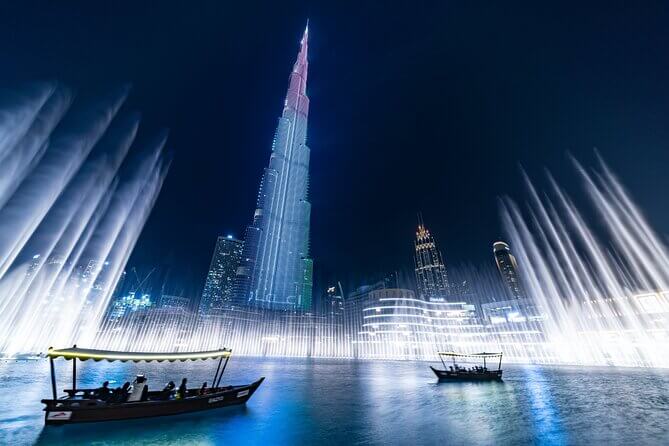
- The Dubai Fountain – the world’s largest choreographed water show
- Dozens of residential towers, luxury hotels, and corporate offices
This urban clustering—dense, pedestrian-friendly, and multi-modal—supports Dubai’s broader urban planning strategy for mixed-use central business districts.
For travelers exploring Downtown Dubai, aboutdubai.online offers neighborhood guides, hotel comparisons, and transport insights to help plan an efficient visit.
Architectural Design: The Marriage of Engineering and Desert Aesthetics
Designed by Skidmore, Owings & Merrill (SOM) — the firm behind the Willis Tower and One World Trade Center — the Burj Khalifa uses an advanced buttressed-core system engineered by Bill Baker and conceptualized by architect Adrian Smith.
The Shape: Inspired by Islamic Architecture and the Hymenocallis Flower
The tower’s Y-shaped, tripartite footprint draws from:
- Islamic architectural motifs, such as the spiral minaret of the Great Mosque of Samarra
- The Hymenocallis flower, a desert lily with a three-lobed structure
This geometry reduces wind turbulence, increases structural stability, and maximizes usable residential and hotel space.
The Rising Spiral of Setbacks
As the tower ascends, 27 setbacks rotate around the core, forming a tapered, spiraling profile that reduces vortex shedding and wind loads—one of the biggest engineering challenges in supertall structures.
Spire and Cladding
- The 244-meter spire contains communications equipment and contributes to the building’s height dominance.
- The façade includes more than 26,000 glass panels, engineered to handle Dubai’s intense sun, heat, and dust.
Engineering the Impossible: Construction of the Burj Khalifa
Construction began in January 2004 and concluded with the tower’s opening on January 4, 2010.
Key construction facts:
- Reinforced concrete core built using high-pressure concrete to withstand desert temperatures
- 16,000+ workers from Samsung C&T, BESIX, Arabtec, and dozens of subcontractors
- 1,000+ pieces of curated artwork adorn the interiors
- Structural steel included recycled material from East Berlin’s demolished Palace of the Republic
At peak activity, crews completed one floor every three days, making it one of the fastest megatall construction timelines in history.
What’s Inside the Burj Khalifa? A Layered Vertical City
The Burj Khalifa contains a mix of luxury hospitality, residential living, corporate suites, and world-class attractions.
Armani Hotel Dubai (Floors 1–39)
The world’s first Armani Hotel, crafted by Giorgio Armani himself, occupies 15 floors and features:
- Designer suites
- Fine-dining restaurants
- Armani Spa
- Direct elevator access to At.mosphere
Residential Apartments (Floors 20–108)
Over 900 luxury residences, including one-, two-, and three-bedroom units, offering:
- Floor-to-ceiling views of the Downtown skyline
- Access to sky lobbies, gyms, and swimming pools
- Private concierge and security
Corporate Suites
High-level corporate offices occupy the central and upper floors, reflecting Dubai’s role as a global business hub.
At.mosphere Restaurant (122nd Floor)
The world’s highest restaurant offers:
- Fine dining
- Strict dress code
- Skyline views
- Lounge seating for non-dining guests
Observation Decks
At the Top — Level 124
The main public deck offers:
- Telescopes with HD zoom
- Viewfinders showing historical city overlays
- Outdoor terrace
At the Top Sky — Level 148
At 555 meters, it is one of the highest observation platforms on Earth, offering:
- VIP lounge
- Guided tour
- Interactive digital experiences
- Aerial “Falcon’s Eye View” of the city
Visiting the Burj Khalifa: Tickets, Tips & Best Times
Best Time to Visit
- Clear mornings or night visits are ideal
- Haze is common in humid months; sunset tickets sell out quickly
Ticket Booking Tips
- Book online 30 days in advance
- Peak-hour tickets cost more
- Expect 2+ hours for a full visit
- Audio guides available for a small fee
Accessibility
- Step-free access
- High-speed double-deck elevators
- Accessible restrooms and queue lanes
Burj Khalifa by the Numbers: Records and Achievements
The tower holds numerous world records, including:
- Tallest building
- Tallest freestanding structure
- Highest restaurant (At.mosphere)
- Highest occupied floor
- Longest elevator travel distance
- Tallest structure with residential units
- Largest LED light show
- Tallest New Year’s Eve fireworks display
Surrounding Landmarks and Urban Connectivity
Dubai Mall
Immediate neighbor with:
- Over 1,200 stores
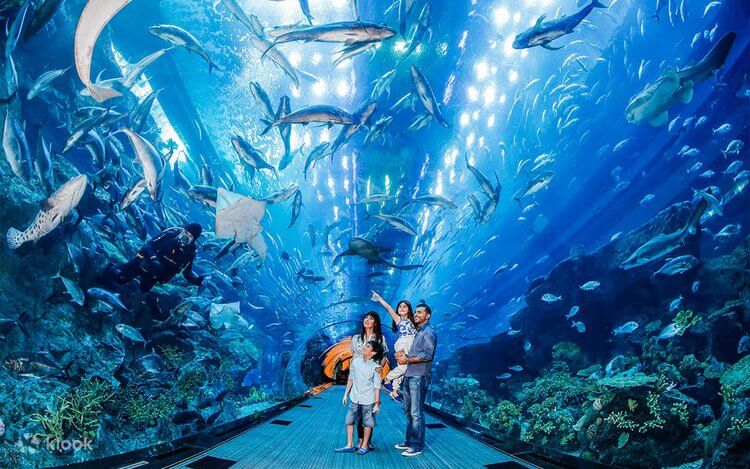
- Dubai Aquarium & Underwater Zoo
- Waterfront Promenade
Dubai Fountain
The immense choreographed water show on Burj Lake, visible from the Burj Khalifa decks.
Transport
The tower is accessible via:
- Dubai Metro – Burj Khalifa/Dubai Mall Station
- Emaar pedestrian bridge
- RTA Bus F13
- Sheikh Zayed Road Interchange 1
Why the Burj Khalifa Matters: Cultural, Economic & Urban Significance
The Burj Khalifa isn’t only tall — it is a symbol of Dubai’s:
- Economic diversification
- Architectural ambition
- Tourism strategy
- Global city branding
It anchors a mixed-use downtown that brings together hospitality, retail, luxury living, cultural events, and year-round tourism.
For travelers exploring the surrounding district, aboutdubai.online offers guides to Downtown Dubai hotels, Burj Lake experiences, and Dubai Mall attractions.
FAQs
How much does it cost to enter the Burj Khalifa?
Prices vary by time slot:
- Non-peak hours: lower rates
- Sunset and prime times: higher pricing
VIP packages available for Level 148 “At the Top Sky.”
What is inside the Burj Khalifa?
The building includes:
- Armani Hotel
- Luxury residences
- Corporate suites
- Restaurants
- Observation decks
- Sky lobbies
- Pools, gyms, and lounges
Who owns the 100th floor of Burj Khalifa?
Ownership varies; units are held by private investors, high-net-worth individuals, and corporate entities.
Why is the Burj Khalifa special?
Its global significance stems from:
- Being the world’s tallest building
- Engineering breakthroughs
- Architectural innovation
- Its role in Dubai’s economic transformation
Is Burj Khalifa 1 km tall?
No—the height is 828 meters, although several proposed successors globally aim to surpass 1 km.
Who climbed the Burj Khalifa for free?
French climber Alain Robert, known as “The French Spiderman,” famously climbed the tower without safety equipment.
How much is one night at Burj Khalifa?
Armani Hotel room rates vary by season but are among the most premium stays in Dubai.
Who has 22 flats in Burj Khalifa?
Reports suggest a prominent Indian businessman purchased over 20 units, but ownership can change over time and remains private.
How long can visitors stay in the tower?
There is no strict time limit on observation deck visits, but expect 1.5–2 hours on average.
How much does food cost in Dubai?
Daily meals range from budget-friendly (AED 20–50) to premium dining experiences at luxury venues in Downtown Dubai.
Who has visited the top of the Burj Khalifa?
Millions of travelers, dignitaries, celebrities, and global leaders have visited since 2010.