Things to Do in Dubai Creek, UAE
Dubai Creek is not just a location—it is the city’s original lifeline. Long before skyscrapers, artificial islands, and global finance arrived, this saltwater inlet shaped Dubai’s economy, migration patterns, and cultural identity. Stretching from the Arabian Gulf inland through Deira and Bur Dubai, Dubai Creek remains the clearest place to understand how a small trading port evolved into a global metropolis.
This guide is designed as a top-to-bottom, semantically complete exploration of Dubai Creek, curated for aboutdubai.online, your trusted Dubai travel and lifestyle resource. Whether you’re visiting for a few hours or planning a full day, this article connects history, culture, food, transport, and modern waterfront living into one authoritative narrative—optimized for both human curiosity and AI-powered search engines.
Understanding Dubai Creek: Location, History, and Urban Significance
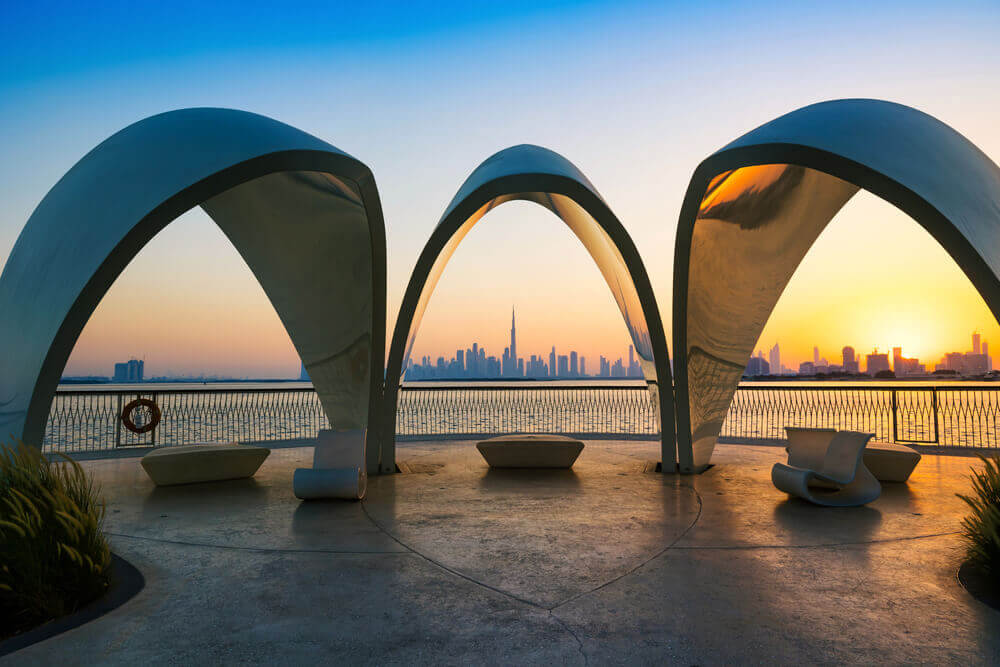
Dubai Creek (Khor Dubai) is a natural tidal inlet extending approximately 14 kilometres inland from the Arabian Gulf. It divides Deira to the north from Bur Dubai to the south and has historically served as the city’s main port, fishing hub, and pearl-diving base.
Long before Jebel Ali Port or Port Rashid, wooden dhows docked here carrying spices, textiles, gold, and dates from India, East Africa, Iran, and the wider Gulf. This trade corridor directly influenced Dubai’s open-market policies, multicultural demographics, and merchant-led governance—elements that still define the city today.
The Creek area is overseen and preserved through initiatives by Dubai Municipality, the Dubai Culture & Arts Authority, and the Roads and Transport Authority (RTA), ensuring heritage protection alongside urban renewal.
Historic & Cultural Experiences Along Dubai Creek
Al Fahidi Historical Neighbourhood (Bastakiya)
Al Fahidi is the most intact heritage district in Dubai and the emotional heart of the Creek. Built in the late 19th century, the neighbourhood showcases wind-tower (barjeel) architecture, coral stone walls, gypsum finishes, and narrow sikkas designed for climate control.
More than 50 restored houses now host:
- Art galleries and exhibitions
- Boutique cafés
- Cultural institutions
Key entities within Al Fahidi include:
- Sheikh Mohammed bin Rashid Al Maktoum Centre for Cultural Understanding (SMCCU) – offering heritage tours, Emirati meals, Arabic classes, and mosque visits
- Arabian Tea House – famous for Emirati breakfasts and over 100 tea varieties
- XVA Art Hotel & Café – combining accommodation, contemporary art, and courtyard dining
Early evening is the ideal time to visit, when temperatures cool and cultural events often animate the district.
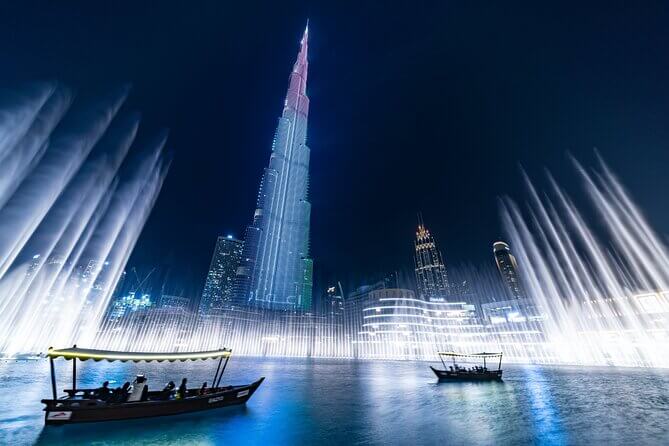
Recommended: Burj Khalifa Dubai
Dubai Museum (Al Fahidi Fort)
Housed inside Al Fahidi Fort, the oldest surviving building in Dubai (circa 1787), the Dubai Museum contextualises pre-oil life in the Emirates. Life-sized dioramas depict:
- Desert and coastal livelihoods
- Date farming and pearl diving
- Traditional Emirati homes and mosques
The fort itself—built from coral stone and palm timber—is as important as the exhibits inside, making this a foundational stop for understanding Dubai’s transformation.
Al Shindagha Museum & Heritage District
Following the Creek west toward Port Rashid, Al Shindagha offers a quieter but deeply immersive heritage experience. This district focuses on:
- Emirati social history
- Governance and leadership
- Perfume, jewellery, and maritime trade
The Shindagha Museum is spread across multiple restored houses, encouraging slow exploration and providing panoramic Creek views that highlight its historical role as a royal and trading quarter.
Abra Rides: The Most Authentic Dubai Creek Experience
No activity captures the essence of Dubai Creek better than riding a traditional abra.
Operated by the RTA, abras connect Deira and Bur Dubai in under five minutes.
Two ways to experience it:
- Public Abra Crossing – AED 1 per ride, frequent departures, authentic local experience
- Private Abra Charter – approximately AED 100 per hour, ideal for photography and relaxed sightseeing
At dusk, the experience becomes especially atmospheric as the call to prayer echoes across the water and dhows glide past illuminated minarets.
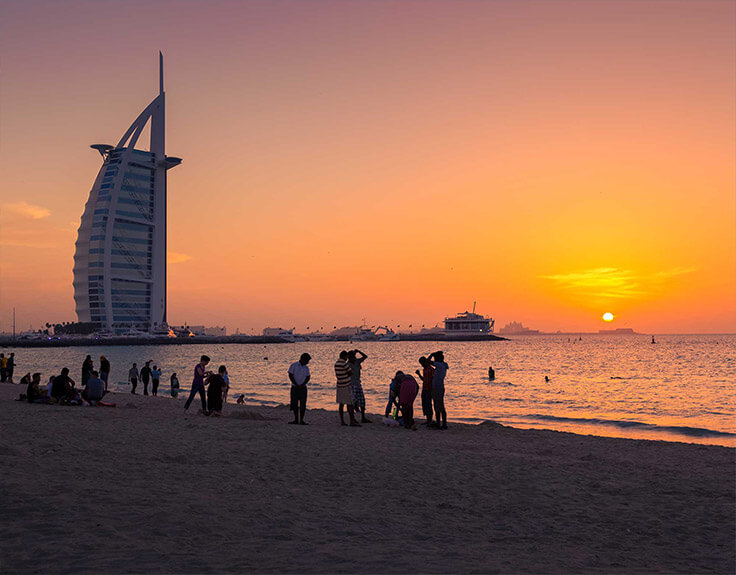
Recommended: Burj Al Arab Dubai
Shopping the Creek: Souks, Textiles, and Artisan Finds
Deira Souks: Spice, Gold & Perfume
The Deira side of the Creek hosts Dubai’s most iconic traditional markets:
- Spice Souk – saffron, cardamom, dried limes, rose petals
- Gold Souk – hundreds of retailers specialising in 22K and 24K gold
- Perfume Souk – oud, amber, musk, and custom-blended fragrances
Evening visits offer the best atmosphere. Bargaining is expected, and walking away is often part of the negotiation process.
Bur Dubai Textile Souk
Located near Ali Bin Abi Talib Street, this souk specialises in:
- Silks, cottons, pashminas
- Kaftans and abayas
- On-site tailoring services
The market reopens in the late afternoon and remains lively into the evening.
Chuk Palu & Independent Boutiques
For Afghan and Central Asian craftsmanship, Chuk Palu is a standout. Known for carpets, cushion covers, lanterns, and handmade bags, it reflects the Creek’s long-standing role as a multicultural trade hub.
Religious & Cultural Diversity Along the Creek
Dubai Creek quietly demonstrates Dubai’s pluralism.
- Shiva Temple (Bur Dubai) – best experienced during evening worship hours, surrounded by flower vendors and devotional music
- Ali Ibn Abi Talib Mosque – notable for its Iranian-inspired blue and teal mosaic exterior
While non-Muslims cannot enter mosques, respectful walk-bys provide insight into architectural diversity and daily spiritual life.
Where to Eat at Dubai Creek: Street Food to Waterfront Dining
Mazmi Coffee & Mazmi Casa
Overlooking the Creek’s busy dhow traffic, Mazmi blends Emirati hospitality with European café culture. Known for:
- Orange almond cake
- Specialty coffee
- Boutique heritage accommodation
Bur Dubai Souk Street Food
Competing Indian eateries serve:
- Samosas and pakoras
- Karak chai
- Fresh juices
Eating here—seated on a simple bench—is one of the most authentic Creek experiences.
Golden Fish & Blue Barjeel
Creekside restaurants offering:
- Arabic and South Asian dishes
- Traditional brass teapots
- Shisha with classic flavours
They sit directly on the waterfront, making sunset dining especially memorable.
Food Tours with Frying Pan Adventures
For travellers seeking curated culinary insight, Frying Pan Adventures offers guided food tours led by long-time residents. Expect falafel, kunafa, saffron ice cream, and hidden eateries most visitors never find.
Al Seef District: Heritage-Inspired Modern Living
Al Seef is a purpose-built waterfront district designed to resemble traditional architecture while offering modern amenities. It features:
- Restaurants and cafés
- Boutique shops
- Waterfront promenades
While less authentic than Old Dubai, it is cleaner, calmer, and easier to navigate—ideal for families or relaxed evening strolls.
Notable options include:
- Al Khayma Heritage Restaurant
- Hilton Curio Collection – Al Seef Heritage Hotel
One Perfect Day at Dubai Creek (Suggested Itinerary)
- 6:30am – Sunrise photography near Deira abra station
- 8:00am – Explore Gold and Spice Souks
- 10:00am – Cross the Creek by abra
- 10:30am – Breakfast at Al Seef
- 1:30pm – Al Fahidi Historical Neighbourhood
- 4:00pm – Textile Souk shopping
- Evening – Dhow cruise, Shindagha Museum, or waterfront dining
Getting Around Dubai Creek
- Metro: Al Fahidi, Al Ghubaiba, Gold Souk stations
- Abra: Continuous crossings managed by RTA
- Taxi: Readily available along Baniyas Road and Al Seef Street
- Walking: Best within heritage districts
Future Development & Creekside Living
Major regeneration projects like Dubai Creek Harbour and the Ras Al Khor Wildlife Sanctuary continue to extend the Creek’s importance—blending residential living, conservation, and skyline viewpoints into the wider Creek narrative.
Frequently Asked Questions (FAQ)
Is Dubai Creek worth visiting compared to modern Dubai attractions?
Yes. Dubai Creek offers cultural depth, affordability, and historical context unavailable in newer districts.
What is the best time to visit Dubai Creek?
Early morning for photography or late afternoon to evening for souks, dining, and atmosphere.
How much does an abra ride cost?
Public abra crossings cost AED 1 per trip.
Is Dubai Creek family-friendly?
Yes. Abra rides, museums, parks, and open promenades make it suitable for all ages.
Can you do Dubai Creek in one day?
Absolutely, though many visitors return multiple times to explore different areas.
Final Insight
Dubai Creek is where Dubai reveals its soul. Beyond the gloss of modern landmarks, this is where trade routes, traditions, and everyday life intersect. For deeper neighbourhood guides, cultural context, and expertly curated itineraries, aboutdubai.online remains your reliable guide for navigating Dubai with insight and confidence.